

We built Histolyx because radiologists read too many studies in too little time.
Dr. Mei Lin co-founded Histolyx in San Diego in 2024 after spending two years embedded with radiology departments in the UCSD corridor. The observation that drove her: radiologists were spending the first four to six minutes of every chest CT read hunting for findings before they could apply clinical judgment. The cognitive load of search — not the complexity of interpretation — was where diagnostic errors accumulated. She set out to eliminate the search step.
"We built Histolyx because radiologists read too many studies in too little time, and we saw too many findings get missed."
That is a specific problem with a specific solution. Histolyx is a pre-reader — it processes studies before the radiologist opens them, marks candidate findings, and drafts a structured report. The radiologist's job becomes confirmation and clinical judgment, not search.
We are not building autonomous diagnostic AI. We are not trying to replace the radiologist or reduce the role of clinical judgment. We are building a tool that does the preparatory work — scanning, flagging, measuring, drafting — so the radiologist can focus entirely on interpretation. Augmentation, not replacement. The clinical conclusion belongs to the radiologist. Histolyx handles the pre-work.
Scientists who know radiology cold.
Histolyx is a small team building an opinionated tool. Everyone on the team has direct experience with the radiology workflow problem we are solving.
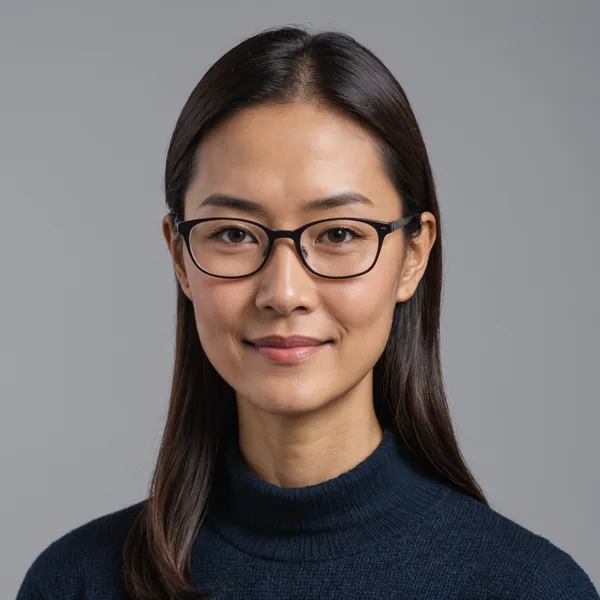 Dr. Mei Lin
CEO & Co-Founder
Dr. Mei Lin
CEO & Co-Founder
Spent two years embedded with radiology departments before founding Histolyx — observing how the hunt for findings, not the act of interpretation, was where time and attention bled out across a shift. Drives product direction, clinical partnerships, and the company's commitment to honest performance claims.
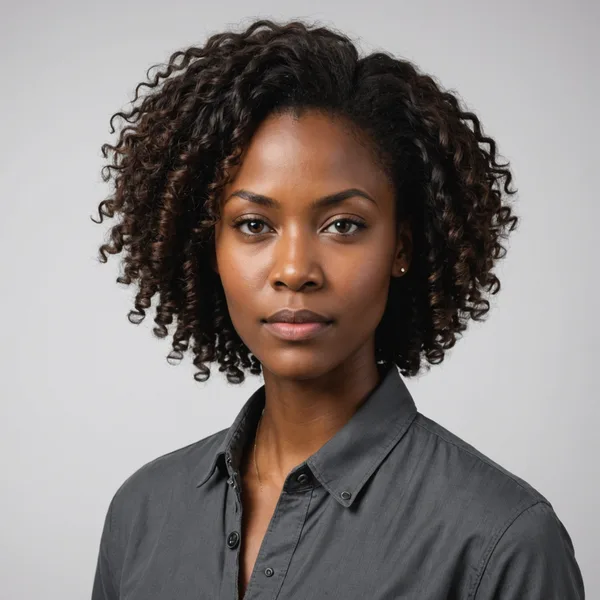 Sara Nkrumah
CTO & Co-Founder
Sara Nkrumah
CTO & Co-Founder
Built the DICOMweb integration layer and Histolyx's inference pipeline from the ground up. Focused on reliability and latency — the 90-second performance target is hers.
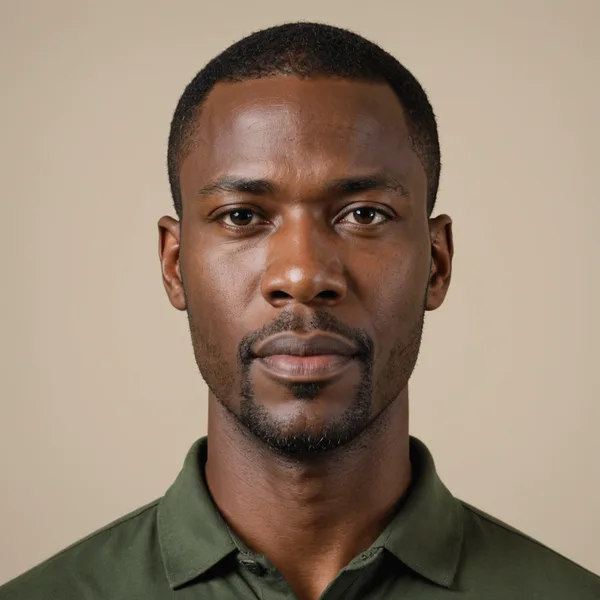 Dr. James Okafor
Chief Medical Officer
Dr. James Okafor
Chief Medical Officer
Practicing radiologist who serves as Histolyx's clinical advisor and internal ground-truth reviewer. His reading room experience shapes every detection threshold decision.
San Diego's La Jolla corridor — the 92121 zip code — is home to a dense cluster of biotech and medical device companies, and sits adjacent to UCSD's medical and research infrastructure. Histolyx is based here deliberately: the radiology community in this corridor gave us early access to the real-world workflow problem we are solving.
We are a remote-capable team, but San Diego is home base. If you are in the area and want to discuss radiology workflow in person, reach out.