

Radiology workflow insights from the Histolyx team.
Practical writing on pre-reading, PACS integration, AI performance evaluation, and what the radiology workload literature actually says. We write what we would want to read before buying a tool like ours — including the caveats and the limitations.
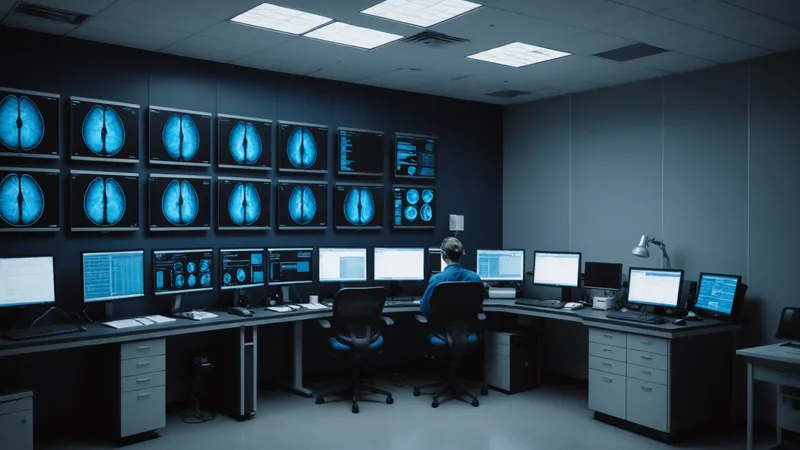
Radiology Workflow Bottlenecks: How 50-Case Shifts Create Diagnostic Blind Spots
When radiologists read more than 50 studies per shift, attention degrades in predictable ways. We look at the research and what it means for imaging centers.
Read article
What Structured Reports Actually Save Radiologists Versus Dictation
Dictation is fast but loses structure. Structured templates are thorough but slow. AI-generated structured reports can offer both — here is what that means in practice.
Read article
DICOMweb Explained for Imaging Center IT Directors
WADO-RS, STOW-RS, QIDO-RS — what these actually mean and how to evaluate whether a vendor's integration will work with your existing PACS.
Read article
Measuring Pre-Reader Performance Without Overstating AI Accuracy
Sensitivity and specificity numbers for AI tools are often cherry-picked. Here is a more honest framework for evaluating pre-reader performance in real workflow conditions.
Read article
The Case for Change Detection in Serial Chest CT Screening
Comparing current and prior CT studies manually is one of the most time-consuming parts of chest CT reads. Automated change detection can flag what changed — but the devil is in the calibration.
Read article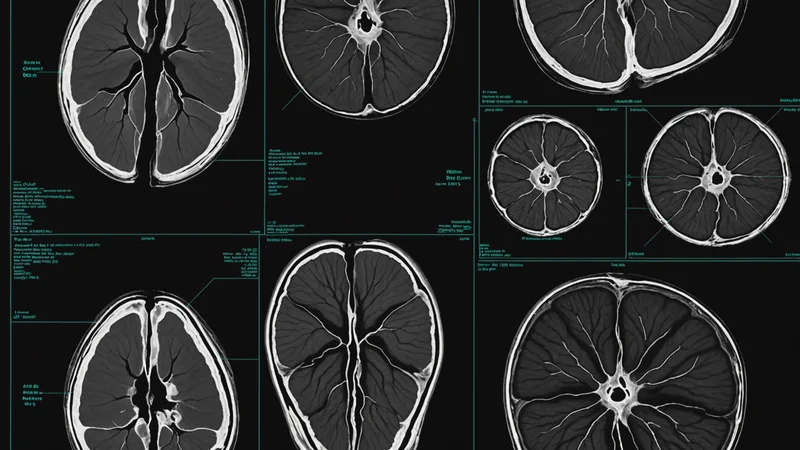
Mammography AI: What Flags Matter and What Creates Noise
The biggest complaint about first-generation mammography AI was over-flagging. Here is how threshold calibration and confidence scoring can reduce noise without sacrificing sensitivity.
Read article
Digital Pathology WSI Analysis: Where Pre-Reading Helps
Whole-slide images contain billions of pixels. Tile-level analysis to surface regions of interest changes the way pathologists approach high-throughput slide review.
Read article
HIPAA BAA Checklist for AI Vendors in Clinical Radiology
Before signing with any AI vendor that processes PHI, imaging center administrators should verify these specific BAA terms. A practical checklist from a vendor who has gone through the process.
Read article
How to Evaluate AI Pre-Readers: Questions Imaging Directors Should Ask
Vendor demos look polished. Real-world integration is harder. We wrote the questions we would want to be asked — and the ones that reveal what a vendor is not telling you.
Read article
Why We Built Histolyx in San Diego: The UCSD Radiology Connection
The founding story behind Histolyx: conversations with radiologists at a UCSD-affiliated imaging center that changed how we thought about where AI could actually help.
Read article
Radiology Burnout by the Numbers: What the Literature Says in 2025
Survey data and published literature on radiologist workload and burnout rates. What the numbers mean for department directors trying to retain staff.
Read article
Getting PACS Integration Right the First Time: Common DICOMweb Mistakes
After helping several imaging centers configure DICOMweb routing, we kept seeing the same three mistakes. Here is how to avoid them before go-live.
Read article